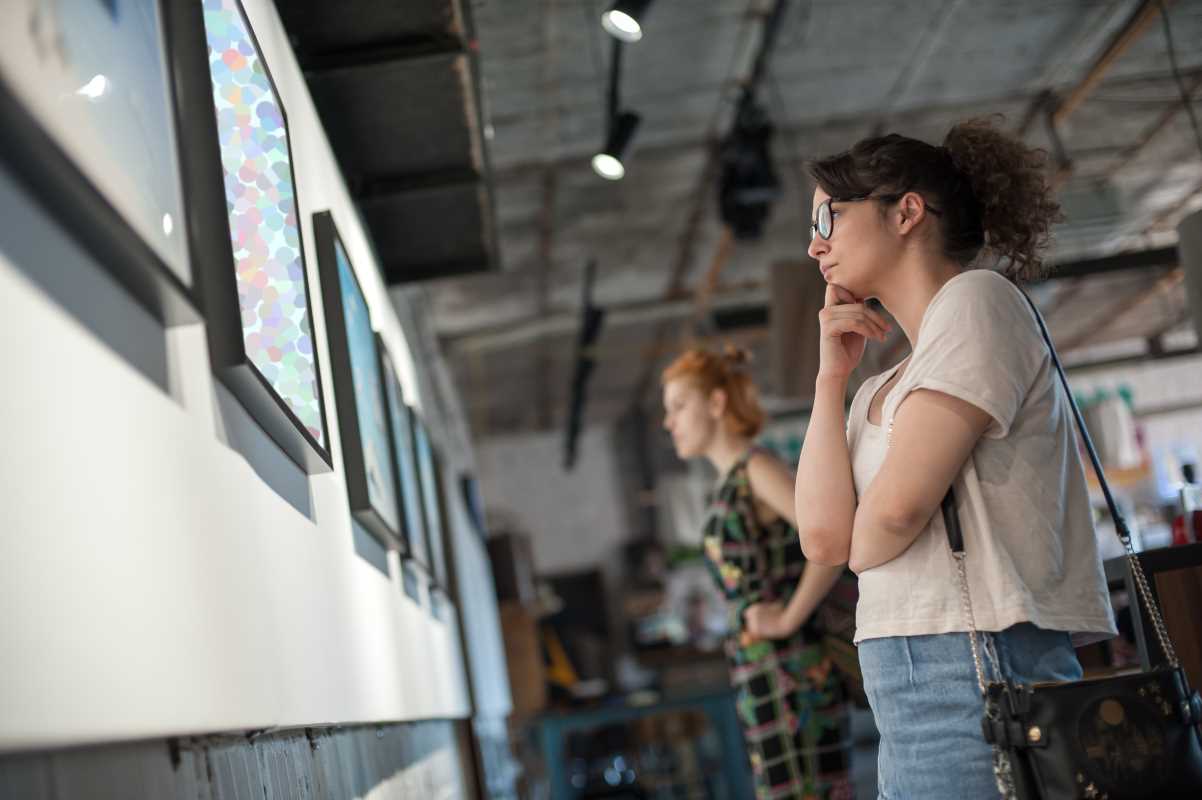
Small towns across the country are discovering a powerful tool for revitalization, and it comes in the form of vibrant, creative expression. Community art pop-ups are transforming quiet main streets and empty storefronts into lively cultural hubs. These temporary art events do more than just add a splash of color. They bring people together, boost local economies, and foster a renewed sense of pride and identity. Imagine a vacant building suddenly filled with paintings from local artists or an ordinary park transformed by interactive sculptures. This guide is here to explore how these inspiring initiatives work, highlight their real-world benefits, and show you how art is breathing new life into the heart of small-town America.
What Are Community Art Pop-Ups?
Community art pop-ups are temporary art exhibitions and events held in unconventional spaces. You might find them in empty retail stores, public parks, town squares, or even along a walking trail. Unlike traditional galleries, these events are designed to be accessible, surprising, and engaging for everyone in the community. They can last for a single day, a weekend, or several weeks.
The core idea is to bring art directly to the people. This approach removes the formal, sometimes intimidating, atmosphere of a conventional art gallery. Pop-ups often feature work from local artists, giving them a platform to showcase their talent and connect with their neighbors. The types of art can be incredibly diverse, including paintings, sculptures, photography, live performances, and interactive installations that invite public participation.
These events are typically organized by local arts councils, community groups, or even passionate individuals. They partner with property owners who are willing to lend their vacant spaces, often in exchange for increased foot traffic and positive attention. This collaboration is a win-win, turning an empty, unused space into a center of creativity and connection. It’s a simple concept with a powerful impact on a town's spirit and economy.
The Economic Spark of Creative Placemaking
Art pop-ups are a fantastic example of "creative placemaking." This is the practice of using arts and culture to shape the character of a neighborhood, town, or city. By making a place more interesting and beautiful, you naturally attract more people. This influx of visitors has a direct and positive effect on the local economy.
Boosting Foot Traffic for Local Businesses
An art pop-up event can draw hundreds or even thousands of visitors into a town's central district. People who come to see the art are also likely to stop for a coffee, browse in nearby shops, or have a meal at a local restaurant. This increased foot traffic provides a much-needed boost to small businesses that may be struggling to compete with larger retail centers. A weekend art event can lead to a significant increase in sales for surrounding merchants.
For example, a town might organize an "art walk" where multiple pop-up galleries are scattered along its main street. Visitors move from one location to the next, discovering new artists and rediscovering local shops along the way. This creates a lively, festival-like atmosphere that encourages spending and exploration.
Attracting Tourism and New Residents
A town that embraces creativity becomes a more attractive destination. Art pop-ups and other cultural events can put a small town on the map, drawing tourists who are looking for unique experiences. These visitors spend money on lodging, food, and souvenirs, injecting new revenue into the community.
Over the long term, a vibrant arts scene can also attract new residents. People want to live in places that feel alive and full of opportunity. A town that invests in culture sends a message that it is a forward-thinking and welcoming place. This can help reverse population decline, a challenge many small towns face, by bringing in new families and professionals who contribute to the local tax base and community life.
Fostering Community and Social Connection
Beyond the economic benefits, art pop-ups play a crucial role in strengthening the social fabric of a town. They create shared experiences that bring people from all walks of life together.
Creating a Sense of Place and Pride
Empty storefronts can make a town feel neglected or forgotten. Filling these spaces with art replaces that sense of decline with one of creativity and hope. It shows that residents care about their community and are actively working to make it better. This can inspire a powerful sense of local pride.
When community members see their town transformed by art, it changes their perception of the place they call home. It helps them see its potential and encourages them to get more involved in other community-building efforts. Seeing the work of a neighbor hanging in a pop-up gallery can also be deeply inspiring and validating for the whole community.
Providing a Platform for Local Voices
Art pop-ups give local artists a chance to shine. In many small towns, there are few, if any, formal venues for artists to display and sell their work. Pop-up events provide that essential platform. This not only supports the artists financially but also enriches the community by sharing their unique perspectives and stories.
These events can also become spaces for dialogue about important local issues. An art installation might explore the town's history, celebrate its cultural heritage, or raise awareness about an environmental concern. Art has a unique ability to start conversations and help people connect with each other on a deeper level.
How to Start an Art Pop-Up in Your Town
Feeling inspired to bring a pop-up to your community? Getting started is more achievable than you might think. The first step is to gather a small, dedicated team of volunteers. This could include artists, business owners, and other passionate community members.
Next, identify potential spaces. Walk around your town and look for empty storefronts, underused public areas, or any other location that could be transformed with a bit of creativity. Reach out to property owners to see if they would be willing to host an event. Many are open to the idea, especially when they understand the benefits of increased visibility and community goodwill.
Build partnerships with local organizations. Your town's government, chamber of commerce, or historical society may be able to offer support, funding, or help with promotion. Collaborating with others will make the project stronger and more sustainable. Finally, put out a call for artists and start planning the event. Start small with a one-day event and build from there.
.jpg)